WHAT WERE THE TRAITS OF THE WEAK PROGRAMMERS YOU’VE SEEN OVER YOUR CAREER?
That’s an easy one—lack of curiosity. They were so satisfied with the work that they were doing was good enough (without an understanding of what ‘good’ was) that they didn’t push themselves.
I’m much more impressed with people that are always learning. The brilliant programmers I’ve been around are always learning.
You see so many people get into one language and spend their entire career in that language, and as a result aren’t that great as programmers.
DO YOU FEEL THAT THE PAIN A PROGRAMMER GOES THROUGH IN LEARNING A LANGUAGE CONTRIBUTES TO THIS UNHEALTHY ATTACHMENT TO USING ONLY ONE LANGUAGE?
My advice to programmers to avoid this trap is to learn lots of different languages. We’re in sort of a language renaissance right now and there are a ton of brilliant languages to learn from.
To learn new languages takes nights and weekends outside of work, and that’s a commitment. The great programmers are the people that are constantly picking a project and diving into it, learning a language that way.
From Jacob Cook's interview with Doug Crockford.
Source: Smashing Magazine
Saturday, January 18, 2014

Wednesday, January 15, 2014
You gotta know what that feels like in your stomach...
"You gotta know what it feels like to be up at night, worried about a problem. You gotta know what that feels like in your stomach," Carter says. "Getting terrible sound at clubs, playing to audiences that heckle, to venues that are half empty, so you know how to adjust to it. "Resilience, he says, isn't something he can teach them. Everyone has to experience their own Eve, their own Gaga. Only then you do know how to get back up.
By Danielle Sack, from interview with Troy Carter.
Fast Company, February 2014
By Danielle Sack, from interview with Troy Carter.
Fast Company, February 2014
Friday, December 13, 2013
The Alchemist
Paulo Coelho-ийн бичсэн The Alchemist гээд ном байх. Амьдрал хэмээх тахир муруй, адармаатай, гунигтай гутралтай, басхүү баяр бахдал, амжилт ололт, эрсдлээр дүүрэн сүлэлдсэн гайхамшгийг хоньчин хүү Сантиогогийн эрлээр уран сайхан дүрсэлжээ. Заримдаа хорвоод яг яах гэж мэндэлсэн болох, яг юу хүсээд байгаагаа эс мэдэх, утгагүй, урамгүй мөчүүд хэн бүхэнд бишгүй л тохиох. Яг тэр үедээ барьж аваад уншчихад зэгсэн сайхан засал авахаар... Хувийн тэмдэглэл болгож уг номоос хэдэн өгүүлбэр оруулъя.

I ask myself: are defeats necessary?
Well, necessary or not, they happen. When we first begin fighting for our dream, we have no experience and make many mistakes. The secret of life, though, is to fall seven times and get up to eight times.
. . .
But if you believe yourself worthy of the thing you fought so hard to get, then you become an instrument of God, you help the Soul of the World, and you understand why you are here.
. . .
"What's the world's greatest lie?" the boy asked, completely surprised.
"It's this: that a certain point in our lives, we lose control of what's happening to us, and our lives become controlled by fate. That's the world's greatest lie."
. . .
And, when you want something, all the universe conspires in helping you to achieve it.
. . .
"Treasure is uncovered by the force of flowing water, and it is buried by the same currents," said the old man.
. . .
"'Well, there is only one piece of advice I can give you,' said the wisest of wise men. 'The secret of happiness is to see all the marvels of the world, and never forget the drops of oil on the spoon.'"
. . .
He had not a cent in his pocket, but he had faith.
. . .
We are afraid of losing what we have, whether it's our life or our possessions and property. But this fear evaporates when we understand that our life stories and the history of the world were written by the same hand.
. . .
Eat when it's time to eat. And move along when it's time to move along.
. . .
Because, when you know that language, it's easy to understand that someone in the world awaits you, whether it's in the middle of the desert or in some great city. And when two such people encounter each other, and their eyes meet, the past and the future become unimportant. There is only that moment, and the incredible certainty that everything under the sun has been written by one hand only. It is the hand that evokes love, and creates a twin soul for every person in the world.
. . .
Life attracts life.
. . .
"I'm a woman of desert," she said, averting her face. "But above all, I'm a woman."
. . .
If what one finds is made of pure matter, it will never spoil. And one can always come back. If what you had found was only a moment of light, like the explosion of a star, you would find nothing on your return.
. . .
You will never be able to escape from your heart. So it's better to listen to what it has to say. That way, you'll never have to fear an unanticipated blow.
. . .
Every search begins with beginners's luck. And every search ends with victor's being severely tested.
. . .
The darkest hour of the night came just before the dawn.
. . .
Everything that happens once can never happen again. But everything that happens twice will surely happen a third time.
. . .
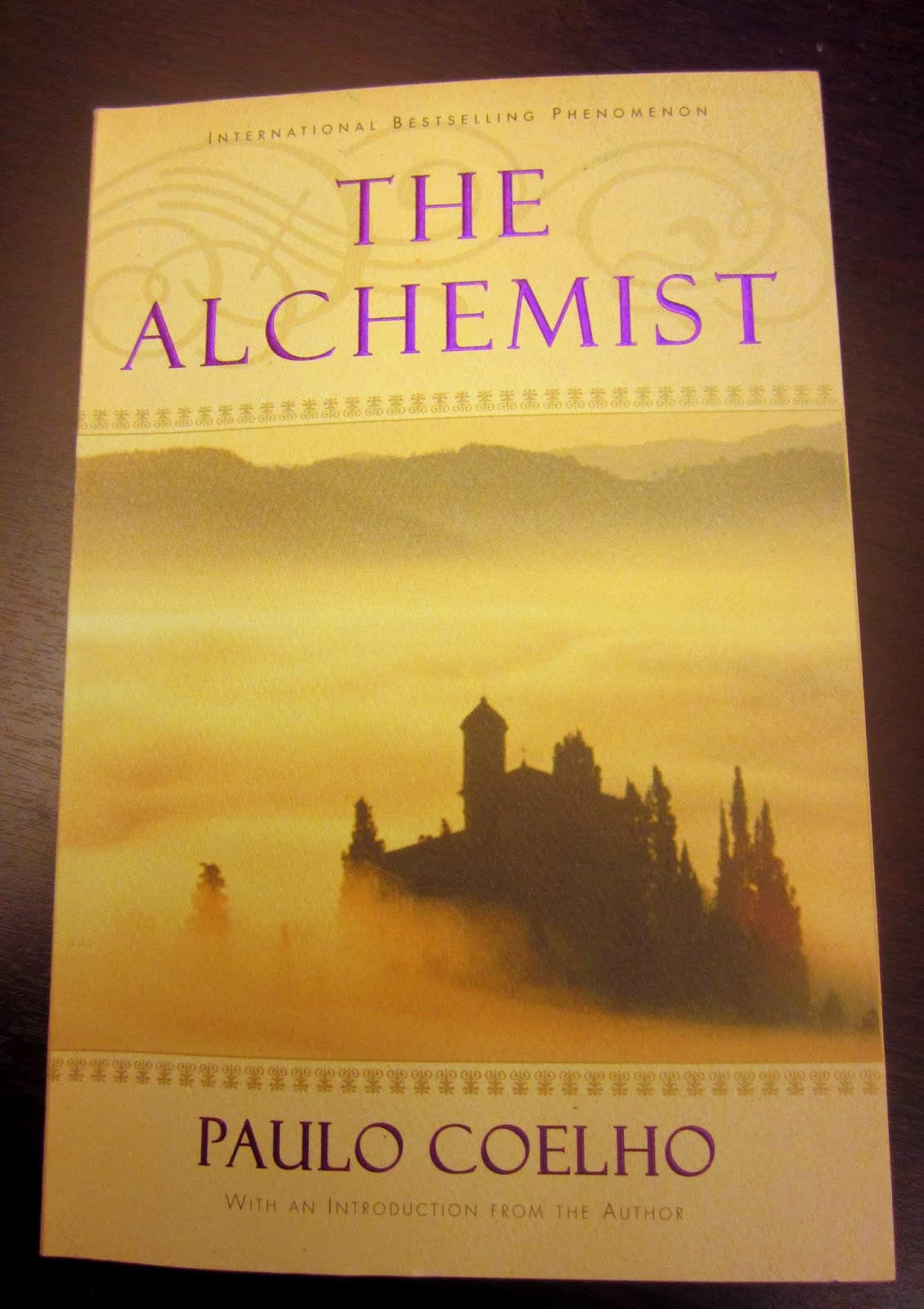
I ask myself: are defeats necessary?
Well, necessary or not, they happen. When we first begin fighting for our dream, we have no experience and make many mistakes. The secret of life, though, is to fall seven times and get up to eight times.
. . .
But if you believe yourself worthy of the thing you fought so hard to get, then you become an instrument of God, you help the Soul of the World, and you understand why you are here.
. . .
"What's the world's greatest lie?" the boy asked, completely surprised.
"It's this: that a certain point in our lives, we lose control of what's happening to us, and our lives become controlled by fate. That's the world's greatest lie."
. . .
And, when you want something, all the universe conspires in helping you to achieve it.
. . .
"Treasure is uncovered by the force of flowing water, and it is buried by the same currents," said the old man.
. . .
"'Well, there is only one piece of advice I can give you,' said the wisest of wise men. 'The secret of happiness is to see all the marvels of the world, and never forget the drops of oil on the spoon.'"
. . .
He had not a cent in his pocket, but he had faith.
. . .
We are afraid of losing what we have, whether it's our life or our possessions and property. But this fear evaporates when we understand that our life stories and the history of the world were written by the same hand.
. . .
Eat when it's time to eat. And move along when it's time to move along.
. . .
Because, when you know that language, it's easy to understand that someone in the world awaits you, whether it's in the middle of the desert or in some great city. And when two such people encounter each other, and their eyes meet, the past and the future become unimportant. There is only that moment, and the incredible certainty that everything under the sun has been written by one hand only. It is the hand that evokes love, and creates a twin soul for every person in the world.
. . .
Life attracts life.
. . .
"I'm a woman of desert," she said, averting her face. "But above all, I'm a woman."
. . .
If what one finds is made of pure matter, it will never spoil. And one can always come back. If what you had found was only a moment of light, like the explosion of a star, you would find nothing on your return.
. . .
You will never be able to escape from your heart. So it's better to listen to what it has to say. That way, you'll never have to fear an unanticipated blow.
. . .
Every search begins with beginners's luck. And every search ends with victor's being severely tested.
. . .
The darkest hour of the night came just before the dawn.
. . .
Everything that happens once can never happen again. But everything that happens twice will surely happen a third time.
. . .
Friday, February 22, 2013
Letters to My Son

Кэнт Нэрбүрний "Хүүдээ захих үгс" гээд гайхалтай
гоё ном байна. Мan and Male бүлгээс хэдэн мөр оруулъя. Personal notes from
"Letters to My Son" - a terrific book by Kent Nerburn. Chapter 2 -
Man and Male.
My father was not an extraordinary man. There could be no epics written about his accomplishments. But he was a good man. He never harmed another person willingly, and he was always ready to do a kindness for those in need.
For the last ten years I have watched him slowly lose interest in life.
He is not unhappy. He is beyond unhappiness. He is depleted and defeated by those losses that have taken all sense of self-worth from him. First it was his job, then his physical strength, and finally any sense of usefulness that gave him a way to value his presence on earth.
It is sad thing to see. All of us still love him and respect him and honor him as the father, but he no longer loves and honors and respects himself. His world and his body have betrayed him.
How did such a thing happen? How could a man who was always strong suddenly become so weak? Why did he give up when the horizons of life still stretched out to unknown distances before him?
I am afraid he gave up because he no longer considered himself a man.
. . . . . . . . .
Why should he, who started with nothing and accomplished so much, feel that his manhood is gone?
The answer is harsh but clear. He confused being a male with being a man.
Being a male is part of our biological coding. It has to do with strength, domination, territoriality, competition, and a host of other traits that were essential in the days when dominance was the key to human survival.
Being a man is something different. It is taking these male traits and forming them into a life that meets the demands of the world around you while serving the needs of others. It is action in service of a dream. It is being grounded in belief while reaching for the stars.
. . . . . . . . .
I want to you to consider this distinction as you go forward in life. Being male is not enough; being a man is a right to be earned and an honor to be cherished. I cannot tell you how to earn that right or deserve that honor. But I can tell you that the information of your manhood must be conscious act governed by the highest vision of the man you want to be.
As you reach for that vision, the echoes of the male will always be with you. The competitive, the dominating, the great sexual urgency and desire for outreach will always whisper. But if you are able to transform them, these male attributes will become the true measures of manhood - strength and honor and moral force; courage, sacrifice, and confidence of touch.
So acknowledge your male characteristics. Celebrate them. Honor them. Turn them into a manhood that serves the world around you. But do not let them overwhelm you and do not let those who confuse maleness and manhood take your manhood from you.
. . . . . . . . .
Measure your greatness by the length of your reach, but also by the gentleness of your touch. For now, the world needs hands that love, not hands that conquer. Let your hands be among them.
Доорхи линкээр ороод номыг нь аваарай.
Buy it, read it, and give it as a present to others you care.
http://www.amazon.com/Letters-My-Son-Fathers-Manhood/dp/1577310314/ref=sr_1_1?ie=UTF8&qid=1361498457&sr=8-1&keywords=letters+to+my+son
My father was not an extraordinary man. There could be no epics written about his accomplishments. But he was a good man. He never harmed another person willingly, and he was always ready to do a kindness for those in need.
For the last ten years I have watched him slowly lose interest in life.
He is not unhappy. He is beyond unhappiness. He is depleted and defeated by those losses that have taken all sense of self-worth from him. First it was his job, then his physical strength, and finally any sense of usefulness that gave him a way to value his presence on earth.
It is sad thing to see. All of us still love him and respect him and honor him as the father, but he no longer loves and honors and respects himself. His world and his body have betrayed him.
How did such a thing happen? How could a man who was always strong suddenly become so weak? Why did he give up when the horizons of life still stretched out to unknown distances before him?
I am afraid he gave up because he no longer considered himself a man.
. . . . . . . . .
Why should he, who started with nothing and accomplished so much, feel that his manhood is gone?
The answer is harsh but clear. He confused being a male with being a man.
Being a male is part of our biological coding. It has to do with strength, domination, territoriality, competition, and a host of other traits that were essential in the days when dominance was the key to human survival.
Being a man is something different. It is taking these male traits and forming them into a life that meets the demands of the world around you while serving the needs of others. It is action in service of a dream. It is being grounded in belief while reaching for the stars.
. . . . . . . . .
I want to you to consider this distinction as you go forward in life. Being male is not enough; being a man is a right to be earned and an honor to be cherished. I cannot tell you how to earn that right or deserve that honor. But I can tell you that the information of your manhood must be conscious act governed by the highest vision of the man you want to be.
As you reach for that vision, the echoes of the male will always be with you. The competitive, the dominating, the great sexual urgency and desire for outreach will always whisper. But if you are able to transform them, these male attributes will become the true measures of manhood - strength and honor and moral force; courage, sacrifice, and confidence of touch.
So acknowledge your male characteristics. Celebrate them. Honor them. Turn them into a manhood that serves the world around you. But do not let them overwhelm you and do not let those who confuse maleness and manhood take your manhood from you.
. . . . . . . . .
Measure your greatness by the length of your reach, but also by the gentleness of your touch. For now, the world needs hands that love, not hands that conquer. Let your hands be among them.
Доорхи линкээр ороод номыг нь аваарай.
Buy it, read it, and give it as a present to others you care.
http://www.amazon.com/Letters-My-Son-Fathers-Manhood/dp/1577310314/ref=sr_1_1?ie=UTF8&qid=1361498457&sr=8-1&keywords=letters+to+my+son
Sunday, August 19, 2012
Man's Search For Meaning
Personal notes. Quotes from Viktor Frankl's terrific book - Man's Search For Meaning. Buy this book from Amazon.

. . . .
Again and again I therefore admonish my students both in Europe and in America: "Don't aim at success - the more you aim at it and make it a target, the more you are going to miss it. For success, like happiness, cannot be pursued; it must ensue, and it only does so as the unintended side-effect of one's dedication to cause greater than oneself or as the by-product of one's surrender to a person other than oneself. Happiness must happen, and the same holds for success: you have to let it happen by not caring about it. I want you to listen to what your conscience commands you to do and go on to carry it out the best of your knowledge. Then you will live to see that in the long run - in the long run, I say! - success will follow you precisely because you had forgotten to think of it."
. . . .
It was then noticed a piece of marble lying on a table at home. When I asked my father about it, he explained that he had found it on the site where the National Socialists had burned down the largest Viennese synagogue. He had taken the piece home because it was the part of the tablets on which the Ten Commandments were inscribed. One gilded Hebrew letter was engraved on the piece; my father explained that this letter stood one for the Commandments. Eagerly I asked, "Which one is it?" He answered, "Honor thy father and thy mother that thy days may be long upon the land." At that moment, I decided to stay with my father and my mother upon the land, and to let the American visa lapse.

Again and again I therefore admonish my students both in Europe and in America: "Don't aim at success - the more you aim at it and make it a target, the more you are going to miss it. For success, like happiness, cannot be pursued; it must ensue, and it only does so as the unintended side-effect of one's dedication to cause greater than oneself or as the by-product of one's surrender to a person other than oneself. Happiness must happen, and the same holds for success: you have to let it happen by not caring about it. I want you to listen to what your conscience commands you to do and go on to carry it out the best of your knowledge. Then you will live to see that in the long run - in the long run, I say! - success will follow you precisely because you had forgotten to think of it."
. . . .
It was then noticed a piece of marble lying on a table at home. When I asked my father about it, he explained that he had found it on the site where the National Socialists had burned down the largest Viennese synagogue. He had taken the piece home because it was the part of the tablets on which the Ten Commandments were inscribed. One gilded Hebrew letter was engraved on the piece; my father explained that this letter stood one for the Commandments. Eagerly I asked, "Which one is it?" He answered, "Honor thy father and thy mother that thy days may be long upon the land." At that moment, I decided to stay with my father and my mother upon the land, and to let the American visa lapse.
VIKTOR E. FRANKL
Vienna, 1992
. . . .
The truth-that love is the ultimate and the highest goal to which man can aspire. Then I grasped the meaning of the greatest secret that human poetry and human thought and belief have to impart: The salvation of man is through love and in love.
. . . .
"He who has a why to live for can bear with almost any how," - Friedrich Nietzsche
. . . .
... that it did not really matter what we expected from life, but rather what life expected from us. We needed to stop asking about the meaning of life, and instead to think of ourselves as those who were being questioned by life - daily and hourly. Our answer must consist, not in talk and meditation, but in right action and in right conduct. Life ultimately means taking the responsibility to find the right answer to its problems and to fulfill the tasks which it constantly sets for each individual.
. . . .
And I quoted from Nietzsche: "Was micht nicht umbringt, macht mich starker." (That which does not kill me, makes me stronger.)
. . . .
Again I quoted a poet-to avoid sounding like a preacher myself-who had written, "Was Du erlebst, kann keine Macht der Welt Dir rauben." (What you have experienced, no power on earth can take from you.)
. . . .
What man actually needs is not a tensionless state but rather the striving and struggling for a worthwhile goal, a freely chosen task. What he needs is not the discharge of tension at any cost but the call of a potential meaning waiting to be fulfilled by him.
. . . .
The Existential Vacuum
In addition to this, however, man as suffered another loss in his more recent development inasmuch as the traditions which buttressed his behavior are now rapidly diminishing. No instinct tells him what he has to do, and no tradition tells him what he ought to do. Instead, he either wishes to do what other people do (conformism) or he does what other people wish him to do (totalitarianism).
A statistical survey recently revealed that among my European students, 25 percent showed a more-or-less marked degree of existential vacuum. Among my American students it was not 25 but 60 percent.
The existential vacuum manifests itself mainly in a state of boredom. Now we can understand Schopenhauer when he said that mankind was apparently doomed to vacillate eternally between the two extremes of distress and boredom. In actual fact, boredom is now causing, and certainly bringing to psychiatrists, more problem to solve than distress. And these problems are growing increasingly crucial, for progressive automation will probably lead to an enormous increase in the leisure hours available to the average worker. The pity of is that many of these will not know what to do with all their newly acquired free time.
. . . .
The reader will note that this procedure consists of a reversal of the patient's attitude, inasmuch as his fear is replaced by a paradoxical wish. By this treatment, the wind is taken out of the sails of the anxiety.
. . . .
A statement consistent with this is found in Gordon W.Allport's book, The Individual and His Religion: "The neurotic who learns to laugh at himself may be on the way to self-management, perhaps to cure." Paradoxical intention is the empirical validation and clinical application of Allport's statement.
. . . .
Man is not fully conditioned and determined but rather determines himself whether he gives in to conditions or stands up to them. In other words, man in ultimately self-determining. Man does not simply exist but always decides what his existence will be, what he will become in the next moment.
. . . .
Freedom, however, is not the last word. Freedom is only part of the story and half of the truth. Freedom is but the negative aspect of the whole phenomenon whose positive aspect is responsibleness. In fact, freedom is in danger of degenerating into mere arbitrariness unless it is lived in terms of responsibleness. That is why I recommend that the Statue of Liberty on the East Coast be supplemented by a Statue of Responsibility on the West Coast.
. . . .
To the European, it is a characteristic of the American culture that, again and again, one is commanded and ordered to "be happy". But happiness cannot be pursued; it must ensue. One must have a reason to "be happy". Once the reason is found, however, one becomes happy automatically. As we see, a human being is not one in pursuit of happiness but rather in search of a reason to become happy, last but not least, through actualizing the potential meaning of inherent and dormant in a given situation.
. . . .
Indeed, what is called "the pleasure principle" is, rather, a fun-spoiler. Once an individual's search for meaning is successful, it not only renders him happy but also gives him the capability to cope with suffering.
. . . .
Fifty years ago, I published a study devoted to a specific type of depression I had diagnosed in cases of young patients suffering from what I called "unemployment neurosis". And I could show that this neurosis really originated in a twofold erroneous identification: being jobless was equated with being useless, and being useless was equated with having a meaningless life. Consequently, whenever I succeeded in persuading the patients to volunteer in youth organizations, adult education, public libraries and the like-in other words, as soon as they could fill their abundant free time with some sort of unpaid but meaningful activity-their depression disappeared although their economic situation had not changed and their hunger was the same. The truth is that man does not live by welfare alone.
. . . .
End of my notes.
Thanks Bolo for recommending this wonderful book.
Subscribe to:
Posts (Atom)